
Here Is Exactly
What Happens
Four steps stand between a dead car in your driveway and cash in your hand, and you only run the first one of them. Tell us what the car is and where it sits. We handle the rest of it.
- 1,000+
- Steps total
- 94
- Cost to you
How Selling a Junk Car Actually Works
Selling a junk car takes one call, one firm offer and one pickup. You describe the vehicle, we price it against parts and scrap weight, you pick a window, and the driver pays before it is winched. No title needed.
The order matters more than the paperwork does. Everything that decides your number happens on the call, so nothing is left to be renegotiated in the driveway once a truck is already there and the moment feels decided.
- One call sets the number, and that number is what the driver hands over
- Towing is included, never deducted from your offer and never billed after
- We file the state notification, so the record closes under our name
- You keep the plates, and you keep them separately from the car
Four Steps, and Three of Them Are Ours
Your part is the first one. Everything after it is dispatch, a flatbed and the paperwork that follows.
- 01
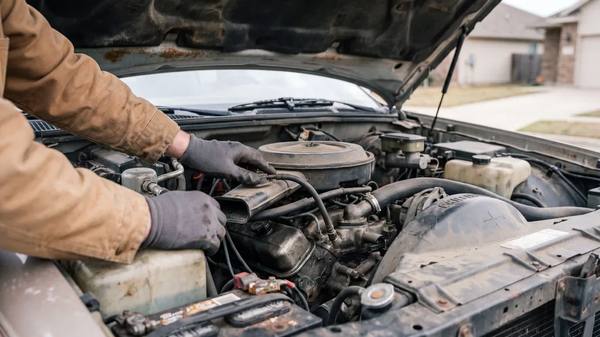
You describe it once
About two minutes- You
- Call (773) 918-9181 and say what the car is: year, make, model, and what is wrong with it. Say where it sits, because a shared alley and an open driveway are different jobs. (773) 918-9181
- We
- We ask about the wheels, the engine and the title, then check whether that changes which truck we send. Those answers carry it.
- 02
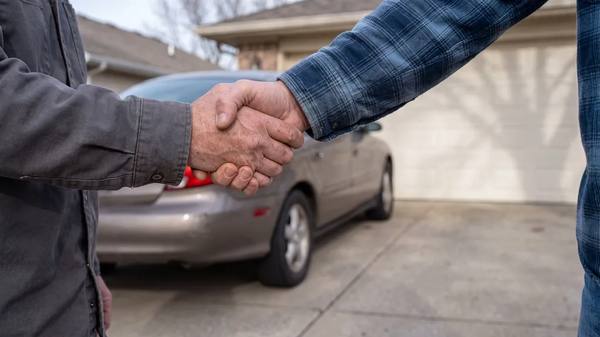
We work the number out
On that same call- You
- You listen to one figure and decide. There is no range to be talked down from, no deposit, and nothing to sign before you hear what the car is worth.
- We
- We price the recoverable parts against what buyers are asking, add the shell at scrap weight, and subtract the haul. That total is the offer.
- 03
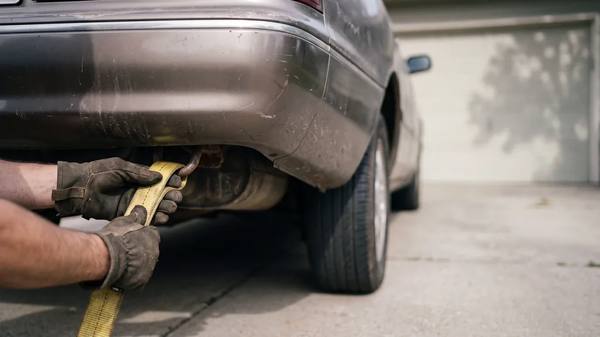
We route the right truck
Same day when you call early- You
- You pick a window, clear a path to the car if one is blocked, and tell us about a locked garage or a neighbor's bumper parked tight against your own.
- We
- We match the equipment to the obstacle. A wheel-lift reaches into an alley a full flatbed cannot, and a winch handles a car with seized brakes.
- 04
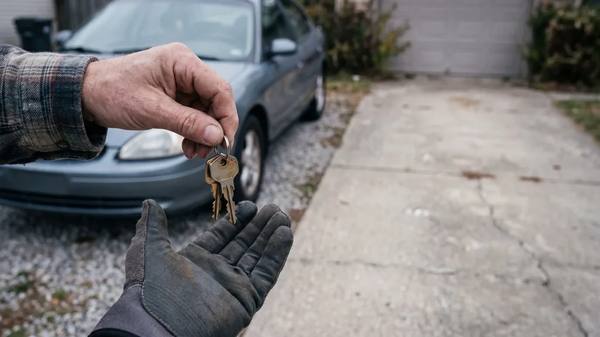
We pay you and file it
About ten minutes on site- You
- You hand over what you have, take your money, and pull the plates off before the car goes up on the deck. Keep them: they matter for the next part.
- We
- We load the car, report it to the Secretary of State as retired, and send the shell to a yard that dismantles rather than crushes.


What to Have Ready
Have the car's paperwork and your own ID within reach, and know where the vehicle identification number sits on the dash. Nothing here stops a sale.
Empty the glovebox, the center console and the trunk before pickup day. Insurance cards, garage remotes and a spare key turn up in all three, and once the car is on the deck nobody unloads it to check. Transponders matter most.
A missing title is ordinary here and does not change the offer. Illinois has a route for a car whose paperwork is gone, and proof of ownership carries it.Selling without the paperwork.
Worth digging out
- Whatever ownership paper you have, title or registration
- A photo ID with a name matching that paperwork
- Keys if you can find them, and a note if you cannot
- The lender name if a loan was ever taken against it
Have the car in front of you? One call gets you a firm number.
How the Number Is Decided
Your offer is built from what the car breaks into, not what it once sold for. The catalytic converter, which is the exhaust filter thieves target, carries the most weight, the shell is worth its metal, and the haul comes off the top.
Two identical model years can be worth different amounts, and that is not a trick. One sat in a garage with recoverable panels, the other spent six winters on a brined street until the subframe went. We tell you which you have on the call.
What moves it most
- Parts still in demand
- A common engine or a clean tailgate has buyers already looking for it
- The catalytic converter
- Present and original it lifts the number; cut off, it drops sharply
- Scrap weight and steel
- Heavier bodies carry more metal, and the steel market moves weekly
- Whether it rolls
- A car that steers and rolls loads faster than one dragged on skates
- Rust and where it sits
- Salt-belt rot through the rocker panels leaves the shell worth scrap alone
How Pickup Day Runs
The driver arrives with the offer already on the job sheet, checks the car matches what you described, pays you, and loads it. You need no mechanical knowledge for any of it.
Access: Access beats distance. Loading dock rules, a gated lot needing a code, or a car behind a fence change the approach. Say so on the call.
- 1The driver calls you before setting out toward your address
- 2You confirm the car is the one described on the call
- 3The vehicle identification number is checked against the paperwork you have
- 4You are paid in full before anything touches the winch
- 5You pull the plates off and keep them in hand
- 6The car is loaded and the street is swept clear
What Happens After the Tow
Three things close the file and two are yours. The state is told the car is off the road, you end the insurance, and the plates move or go back.
That sequence is what ends your connection to the vehicle. People skip the insurance call and keep paying for a car that no longer exists, or leave plates on a shell and find the tickets follow them. Both are worth doing in the same week.
- 1We report the vehicle to the Secretary of State so the record shows it retired, not sold on
- 2You cancel the insurance policy on that car, which is not automatic and nobody does it for you
- 3You surrender the plates or move them, keeping them separate from the car itself
Not Sure Which Situation Yours Is? Start Here
Most cars we collect fall into a handful of situations, and each has a page that answers it properly. Find the one that sounds like your driveway and start there.
Where the Trucks Actually Go
We run out of Oak Lawn and cover 94 Chicagoland cities: the whole south and southwest side, the near suburbs and most of Cook County. If your street is inside that ring, then a truck reaches it without any surcharge at all.
Dispatched from 5435 W 110th St, Oak Lawn IL
Map data © OpenStreetMap contributors
The ones people ask on the call
Can I move the pickup to another day?
Rescheduling costs nothing and changes nothing about the offer. Call back and pick a different window. The only thing that moves an agreed number is the car turning out to be different from what you described.
Does the number change when the driver arrives?
The figure agreed on the phone is the figure the driver carries and hands over. Renegotiating at the curb is the single most common complaint in this trade, and the process was built against it.
Do I need to empty the car first?
Worth doing, though nothing depends on it. Check the glovebox, the console and under the seats for a toll transponder, a garage remote or papers. Once the shell reaches the yard, nothing of it comes back.
What happens to the car after it leaves?
It is drained of fluids, stripped of the parts that still have buyers, and the shell is shredded back into steel. That recovered metal is why a car with a dead engine still carries a real number.
Can you collect from a rented driveway or a lot?
Rented ground works, provided you can show the car is yours and whoever controls the lot knows the truck is coming. Landlords and property managers want notice, so tell us on the call and we work to their rules.
Can I get a copy of what gets filed?
Ask the driver and we send the notification details through. Keeping your own record of the date the car left and what was reported is sensible, in case a ticket or renewal notice turns up later.
What if I find the title after the car is gone?
Call and tell us. A title that surfaces later does not undo a completed sale, but it should not sit in a drawer attached to a car you no longer own. We tell you what to do.
One call is your whole side of this
Tell us the car and the street, and take a firm number